If you are thinking about a move to West Michigan, Grand Rapids often stands out for one simple reason: it gives you city amenities without the feel of an overwhelming big city. You can find walkable districts, historic homes, local restaurants, parks, public art, and a real sense of neighborhood, all within a mid-sized city footprint. If you want to know what daily life actually feels like here, this guide will help you picture the pace, housing, culture, and seasons in Grand Rapids. Let’s dive in.
Grand Rapids at a Glance
Grand Rapids is a mid-sized city with a population of 198,917, according to the U.S. Census QuickFacts. That size matters because it shapes how the city feels day to day. You get a real downtown, distinct neighborhoods, and plenty to do, but you are not dealing with the scale of a sprawling major metro every time you leave the house.
Housing in the city is fairly balanced between owners and renters, with 54.0% owner-occupied housing, a median owner-occupied home value of $244,500, and median gross rent of $1,266, based on the same Census source. Grand Rapids is also a demographically mixed city, which adds to the variety you will notice in different parts of town and in everyday community life.
What Daily Life Feels Like
One of the biggest surprises for many people is how manageable Grand Rapids can feel. In and around downtown, the city is more compact than many buyers expect, which can make errands, dining, events, and casual outings easier to fit into your routine.
According to Experience Grand Rapids, downtown is compact and walkable, with more than 300 restaurants, shops, cultural attractions, and performance venues within about a 10-minute walk or free bus ride of one another. The free DASH circulator runs every 15 minutes, and The Rapid and Silver Line connect downtown to other neighborhoods and suburbs.
If you are someone who likes having options close by, Grand Rapids can feel convenient without feeling frantic. You can live in a neighborhood setting and still have relatively quick access to restaurants, events, trails, and downtown destinations.
Grand Rapids Feels Both Urban and Neighborhood-Based
A helpful way to think about Grand Rapids is this: it offers a compact urban core and a collection of distinct neighborhood pockets. That balance is a big part of why so many people find it appealing.
Downtown gives you the more urban side of the city, with apartments, condos, offices, restaurants, event spaces, and cultural destinations. Close-in neighborhoods, on the other hand, often feel more residential and established, with tree-lined streets, older homes, and local business districts that create a strong neighborhood identity.
The city also has an extensive tree canopy. Grand Rapids manages more than 67,000 street trees through its urban forestry program, which helps many residential streets feel mature and well-established rather than overly dense or hard-edged.
Housing Styles Across Grand Rapids
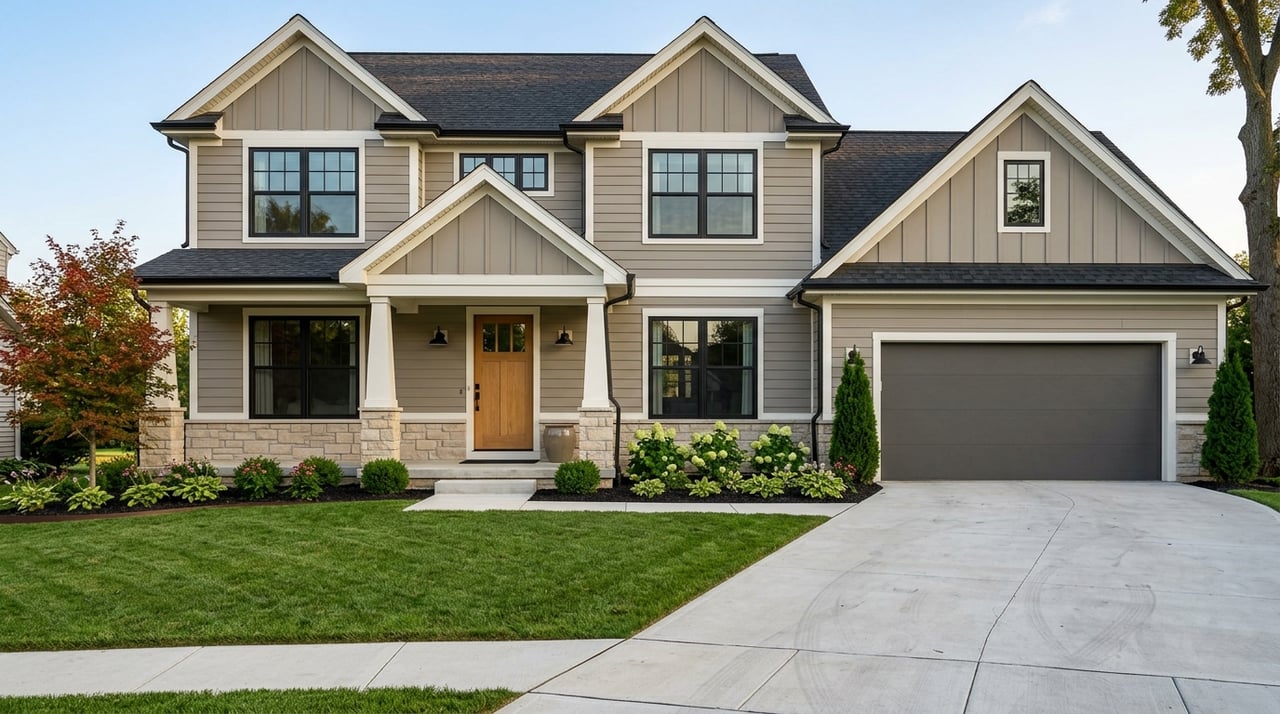
If you are trying to picture the housing stock, Grand Rapids offers a wide mix. You will see historic single-family homes, condos, apartments, mixed-use buildings, and neighborhoods where commercial corridors and residential blocks sit close together.
The city also places real value on preserving older housing and neighborhood character. The Historic Preservation Commission reviews exterior changes in the city’s six historic districts and on designated landmark buildings, which shows how much Grand Rapids ties its identity to its older built environment.
Heritage Hill and Historic Homes
If you are drawn to older architecture, Heritage Hill is one of the clearest examples of that side of Grand Rapids. It sits next to downtown and includes 1,300 buildings representing nearly every major American architectural style, according to Experience Grand Rapids.
The area is known for quiet, tree-lined streets and close proximity to downtown. That combination gives you a neighborhood feel with urban access, which is part of the appeal for buyers who want character and convenience in the same place.
Downtown and Heartside Living
If you prefer a more urban setup, downtown and Heartside lean more toward apartments, condos, and mixed-use buildings. Studio Park added 165 apartments and 25 condos, and Heartside blends renovated historic buildings with newer construction.
This part of the city can be a fit if you want walkability, nearby entertainment, and easier access to transit. It tends to suit buyers and renters who want to be close to the center of activity rather than in a more traditional residential setting.
West Side and Uptown Character
West of the river, the near west side offers a different feel. Experience Grand Rapids describes it as a place where historic commercial districts now mix with restaurants, breweries, bars, shops, and longstanding residential neighborhoods, with Bridge Street acting as a major gateway.
On the east side, Uptown brings together East Fulton, East Hills, Eastown, and Wealthy Street into a dense, locally owned district with historic homes and leafy streets between business areas. Experience Grand Rapids notes that Eastown has more than 4,500 residents and over 130 businesses, while Wealthy Street has nearly 100 businesses and renovated historic storefronts.
Arts and Culture Are Part of Everyday Life
Grand Rapids has a strong arts identity, and that is not limited to one museum or one annual event. Public art, downtown institutions, and citywide festivals are woven into how people experience the city.
One of the best-known examples is ArtPrize, described by Experience Grand Rapids as the world’s most attended public art event. Its district includes 200+ restaurants, 11 breweries and distilleries, five museums, a farmers market, and river trails, which means the art experience is tied directly into everyday movement through the city.
The Grand Rapids Art Museum adds another major downtown anchor, with more than 7,000 works and programming that includes tours, workshops, lectures, and live music. If you want even more, Frederik Meijer Gardens & Sculpture Park expands the cultural side of life here with sculpture, seasonal exhibits, and outdoor concerts.
Even the city’s visual identity reflects that tradition. La Grande Vitesse at Calder Plaza remains one of Grand Rapids’ most recognizable landmarks and a long-standing symbol of its arts culture.
Food, Markets, and Local Hangouts
If you enjoy trying local spots, Grand Rapids gives you plenty to explore. Food and drink are part of regular city life here, not just something you save for special occasions.
The area includes the year-round Fulton Street Farmers Market, which Experience Grand Rapids describes as the area’s oldest and largest traditional farm market. The Downtown Market in Heartside adds 20+ local purveyors, and the broader region has more than 40 local breweries plus annual beer festivals, according to Experience Grand Rapids.
That variety helps make the city feel active and local. You can settle into a routine with neighborhood coffee shops, farmers markets, independent restaurants, and familiar gathering places instead of relying only on chain options.
Outdoor Life and Green Space
Grand Rapids also appeals to people who want city living with access to parks and outdoor recreation. The city’s parks department manages a connected network of parks, natural areas, and waterways, according to Grand Rapids Parks & Recreation.
That network supports a range of activities throughout the year, including kayaking on the Grand River, golfing, classes, seasonal programming, and winter options like ice skating at Rosa Parks Circle and snowshoeing in city parks. If being outdoors is part of your lifestyle, Grand Rapids gives you more than just a few isolated green spaces.
Winters Are Real, But the City Stays Active
It is important to be honest about one part of life in Grand Rapids: winter is a real season here. Based on NOAA climate normals, January averages 24.8°F, annual snowfall averages 77.6 inches, and annual precipitation averages 39.4 inches.
In practical terms, that means snow, cold temperatures, and winter driving conditions are part of life for a meaningful stretch of the year. If you are relocating from a warmer climate, that is something worth preparing for.
The upside is that Grand Rapids does not go dormant in winter. World of Winter is described as America’s largest free winter festival, and the city keeps offering seasonal events, museum visits, indoor attractions, and recreation opportunities through the colder months.
Who Grand Rapids May Appeal To
Grand Rapids can be a strong fit if you want:
- A mid-sized city with a manageable scale
- Walkable districts and recognizable neighborhood identity
- A mix of historic homes, condos, and urban housing options
- Strong access to arts, restaurants, markets, and public events
- Parks, trails, and outdoor recreation woven into daily life
- A city that stays active year-round, including winter
It may especially stand out if you want more going on than a quiet suburb offers, but do not want the size or pace of a much larger metro.
The Bottom Line on Living in Grand Rapids
Living in Grand Rapids often means getting a little bit of both worlds. You have a real downtown, established neighborhoods, a visible arts scene, local food culture, and four-season living, all in a city that still feels navigable and approachable.
If you are planning a move, the most important next step is figuring out which part of Grand Rapids matches your lifestyle, budget, and priorities. That is where local guidance can make the process much easier. If you want help sorting through neighborhoods, housing options, or your next move in West Michigan, Brandon Faber MI offers calm, clear guidance without the pressure.
FAQs
Is Grand Rapids, Michigan, a walkable city?
- Grand Rapids has several walkable areas, especially downtown, Heartside, Heritage Hill, and Uptown, where restaurants, shops, and attractions are close together.
What types of homes can you find in Grand Rapids?
- Grand Rapids includes historic single-family homes, downtown condos, apartments, mixed-use residential buildings, and neighborhoods with homes near local business corridors.
What is winter like in Grand Rapids, Michigan?
- Winter in Grand Rapids is cold and snowy, with January averaging 24.8°F and annual snowfall averaging 77.6 inches, but the city still offers active seasonal events and recreation.
Does Grand Rapids feel more urban or more neighborhood-focused?
- Grand Rapids feels like both, with a compact downtown core and several close-in neighborhoods that each have their own look, pace, and housing style.
What do people do for fun in Grand Rapids year-round?
- Many people enjoy restaurants, breweries, farmers markets, museums, public art, parks, kayaking, seasonal festivals, concerts, and winter events throughout the year.