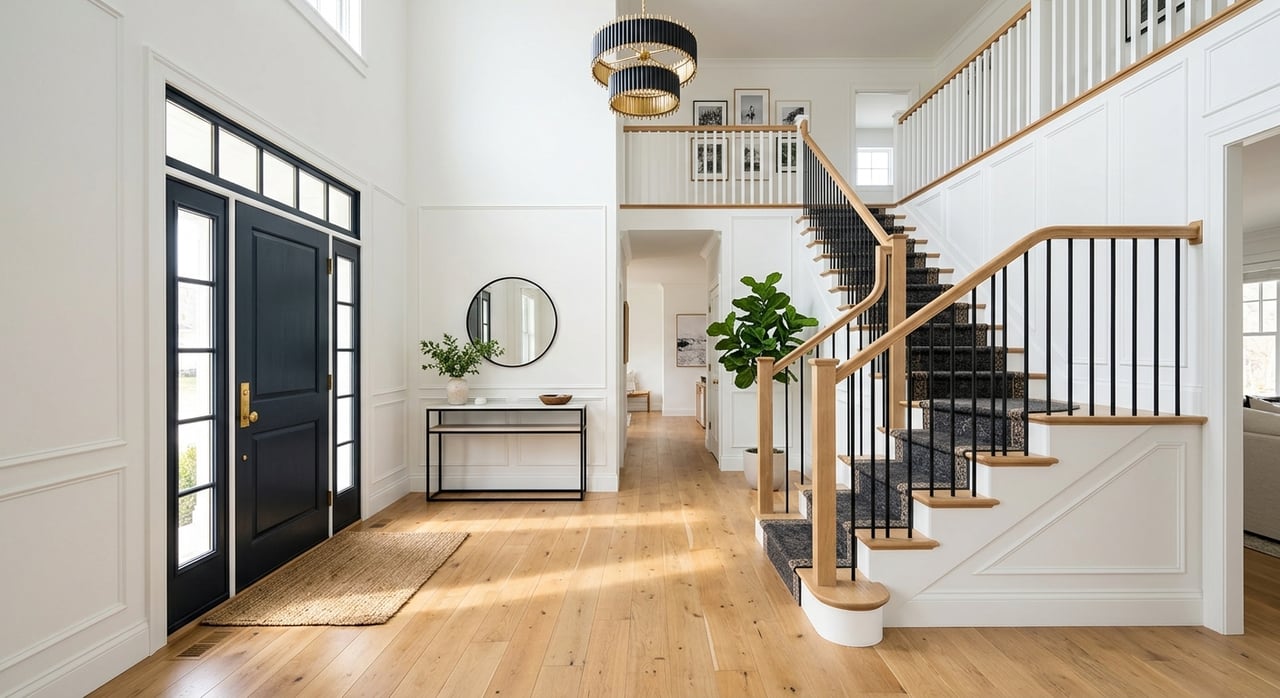
If you’re thinking about selling your home in Grandville, timing and preparation matter more than ever. Homes here can move quickly, but a fast market does not guarantee a smooth sale if pricing, disclosures, showings, and negotiations are not handled well. This guide walks you through each step so you can feel informed, organized, and ready before your home hits the market. Let’s dive in.
Understand the Grandville market
Before you make a plan, it helps to know what kind of market you’re stepping into. Recent data shows Grandville remains competitive, with Redfin reporting a median sale price of $336,100, about 11 median days on market, and 58.8% of homes selling above list price. Realtor.com also shows limited inventory, with 33 homes for sale, a median listing price of $389,900, and 32 days on market.
Those numbers are not identical because the sites track different data sets and time periods. Still, they point to the same takeaway: inventory is tight, buyers are active, and sellers often have meaningful pricing power. That creates opportunity, but it also means your launch strategy needs to be sharp from day one.
Pick your selling timeline
In the Grand Rapids-Wyoming-Kentwood metro, Realtor.com’s 2026 Best Time To Sell report identified March 29, 2026, as the best week to list. For Grandville sellers, that suggests an early spring window may offer an advantage over waiting until later in the season.
That said, the best time for you also depends on how quickly you can prepare. Realtor.com found that 53% of sellers spent one month or less getting ready to list. If you want to enter the market at the right moment, start early enough to handle repairs, cleaning, staging, photography, and paperwork without rushing.
Step 1: Get your home ready
Most smooth sales are won before the listing ever goes live. Your goal is to present a home that feels clean, cared for, and easy for buyers to understand.
Start with the basics:
- Deep clean the home
- Tackle obvious maintenance items
- Declutter surfaces and storage areas
- Improve curb appeal
- Gather manuals, warranties, and key property documents
- Plan for professional listing photos
This stage also helps you think ahead about negotiation. Realtor.com’s 2026 seller survey found that 39% of sellers expected to make concessions. In other words, even in a strong market, buyers may still ask for credits, repairs, or other adjustments.
Step 2: Complete required disclosures
In Michigan, disclosures are an important part of the selling process. For most 1 to 4 unit residential property sales, the Michigan Seller Disclosure Act applies.
The seller disclosure statement is meant to share your known understanding of the property’s condition. It is not a warranty, and it does not replace inspections the buyer may choose to get. Under Michigan law, that disclosure must be delivered before you sign a binding purchase agreement.
If the disclosure is delivered after a binding agreement is signed, the buyer may have a short window to terminate the deal. That window is 72 hours if the disclosure is delivered in person, or 120 hours if it is sent by registered mail. For most typical single-family home sales in Grandville, this disclosure is a standard part of pre-listing preparation.
Some transfers are exempt, such as certain family transfers, foreclosure-related transfers, government transfers, and newly built residential property that has never been inhabited. If your situation is unusual, it is worth confirming whether an exception applies before listing.
Lead-based paint rules for older homes
If your home was built before 1978, there is another step to complete. Federal EPA and HUD rules require sellers of most pre-1978 homes to disclose known lead-based paint hazards, provide the required pamphlet, include specific contract language, retain signed acknowledgments, and give buyers a 10-day opportunity to test for lead.
This is one of those details that is easy to miss if you wait until the last minute. Getting it handled early helps prevent delays later.
Step 3: Price with the market, not your memory
A strong market does not mean you can ignore pricing strategy. Buyers, lenders, and appraisers all look at value through current comparable sales, condition, upgrades, amenities, location, and size.
That matters because pricing affects everything that comes next. A well-priced home can generate strong early interest, while an overpriced home can lose momentum even in a competitive market. In Grandville, where homes can go pending fast, your first week matters a lot.
Step 4: Launch your listing the right way
Once your home is ready and priced appropriately, your listing should be set up to make a strong first impression. In a market with low inventory and active buyers, presentation and accessibility work together.
A solid launch usually includes:
- Professional photos
- Clear property details and accurate feature descriptions
- A clean, show-ready home
- Flexible showing access
- A plan for reviewing feedback and buyer activity quickly
Grandville homes can move fast. Redfin reports homes sold after 11 days on average, and its competitiveness data suggests many homes go pending in about 9 days, often with multiple offers. That means you should be prepared for activity soon after going live.
Step 5: Make showings easy
When your listing is active, consistency matters. The easier your home is to show, the more buyers can see it while interest is at its highest.
Try to keep the home in ready condition each day. That means tidy counters, fresh floors, minimal clutter, and a simple routine for quick departures when showing requests come in.
You do not need pressure tactics to create momentum. In a seller-friendly market, clean presentation, realistic pricing, and smooth access often do more than artificial urgency.
Step 6: Review offers carefully
The highest price is not always the strongest offer. When reviewing offers, look at the full picture.
Key factors to compare include:
- Offer price
- Financing type
- Earnest money
- Inspection terms
- Appraisal terms
- Requested seller concessions or credits
- Proposed closing date
- Any contingency deadlines
In a fast-moving market, offer deadlines and multiple-offer situations can happen quickly. Having a calm process for comparing terms helps you avoid rushed decisions and focus on what will actually get to the closing table.
Step 7: Negotiate inspections thoughtfully
Once you accept an offer, the transaction is not done. Inspection negotiations are one of the most common points where a sale can change direction.
Buyers may ask for repairs, a credit, or another solution based on the inspection results. The Consumer Financial Protection Bureau notes that buyers may negotiate who handles or pays for repairs, and if the contract is contingent on a satisfactory inspection, they may also have the option to cancel.
Some sellers choose to list a home as-is. That can signal that you do not intend to make repair guarantees, but it does not remove the buyer’s ability to inspect. Buyers can still evaluate the property and use those findings in negotiation, so it is important to understand the tradeoff.
Step 8: Prepare for the appraisal
If your buyer is using financing, an appraisal will usually happen between contract and closing. The appraisal helps the lender confirm the home’s value.
Appraisers look at factors like comparable sales, condition, renovations, amenities, location, and size. If the appraisal comes in lower than expected, that can trigger another round of negotiation.
Possible outcomes may include:
- The buyer covering the gap
- A price reduction
- Changes to financing structure
- A reconsideration of value request if the appraisal appears deficient
This is one reason smart pricing from the beginning matters. It helps support your value not just for buyers, but also for the lender’s review.
Step 9: Stay organized through closing
The inspection-to-closing stretch is where steady communication becomes especially important. If major issues come up, the lender may require repairs before closing or may require funds to be set aside for repairs after closing.
At this stage, your checklist should include:
- Confirming your mortgage payoff amount
- Tracking any agreed repairs or credits
- Reviewing final deed and recording paperwork
- Confirming transfer tax handling
- Staying on top of lender and title deadlines
This part of the process can feel paperwork-heavy, but it is manageable when each item is handled in order.
Step 10: Know the seller closing costs
One important cost for Grandville sellers is Michigan real estate transfer tax. According to Kent County, this tax is charged to the seller or grantor.
The Michigan Department of Treasury states that the county transfer tax is 55 cents per $500 of value, and the state transfer tax is $3.75 per $500 of value. Several exemptions exist for certain transfer types, but for a standard home sale, this is usually part of the seller side of closing costs.
If you want a clearer estimate of your likely net proceeds, it helps to review these costs before you list rather than waiting until the final settlement statement arrives.
A simple selling roadmap
If you want the process in one quick view, here is the basic flow:
- Review the market and choose your target timeline
- Prepare the home for sale
- Complete disclosures and document collection
- Set a pricing strategy based on current comparables
- Launch with strong photos and easy showing access
- Review and negotiate offers
- Navigate inspections and appraisal
- Finalize closing costs, transfer tax, and paperwork
- Close and hand off the property
Selling your home in Grandville does not have to feel overwhelming. In a market where homes can move quickly, the real advantage often comes from being prepared, responsive, and clear on each next step.
If you’re getting ready to sell and want calm, practical guidance from start to finish, Brandon Faber MI can help you build a smart plan for your timing, pricing, and next move.
FAQs
What is the typical pace of a home sale in Grandville?
- Recent Grandville market data shows homes selling quickly, with Redfin reporting about 11 median days on market and many homes going pending in around 9 days.
What disclosures are required when selling a home in Grandville, Michigan?
- For most 1 to 4 unit residential sales, Michigan requires a seller disclosure statement about the known condition of the property, and homes built before 1978 may also require lead-based paint disclosures.
When should you list a home for sale in Grandville?
- Current regional data suggests an early spring listing window may be especially favorable, with the Grand Rapids-Wyoming-Kentwood metro’s best week to sell identified as March 29, 2026.
Can you sell a home as-is in Grandville?
- Yes, but listing a home as-is does not stop buyers from ordering inspections or trying to negotiate based on what those inspections reveal.
What transfer taxes do sellers pay in Kent County, Michigan?
- For most standard sales, the seller pays transfer tax, which includes a county tax of 55 cents per $500 of value and a state tax of $3.75 per $500 of value.
What happens if a Grandville home appraisal comes in low?
- A low appraisal can lead to renegotiation, which may include a price change, the buyer covering the difference, financing adjustments, or a reconsideration of value request in some cases.